PCD or Metal Bond Tooling?
PCD and metal bond tooling are often treated as interchangeable. They are not. Each is designed for a specific stage of surface preparation. In this article, we help you understand when to use PCD tooling and when to switch to metal bond tooling.
Start With PCD Tooling
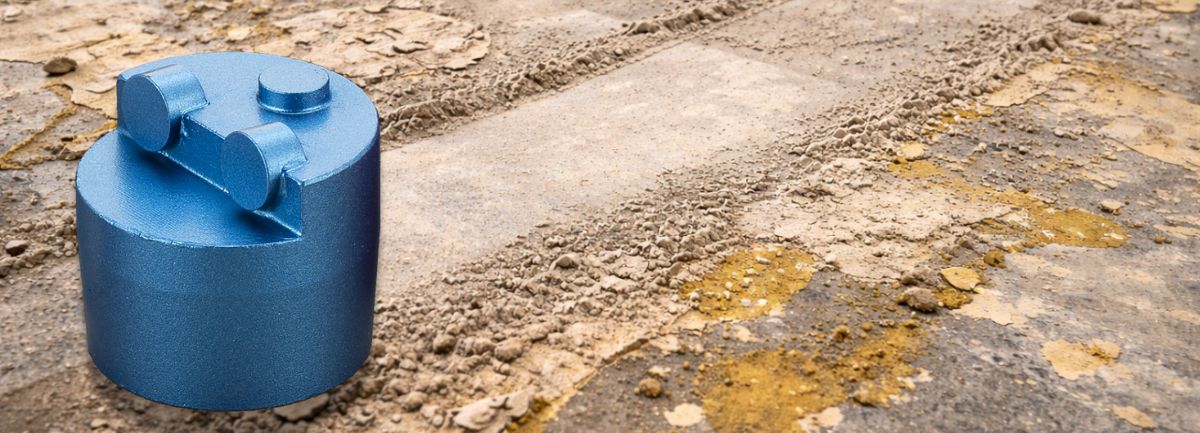
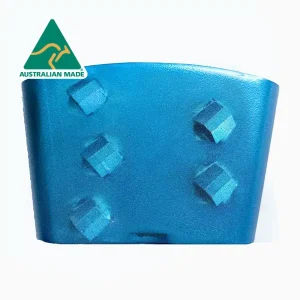
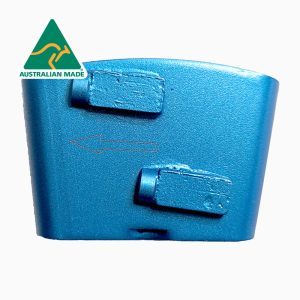
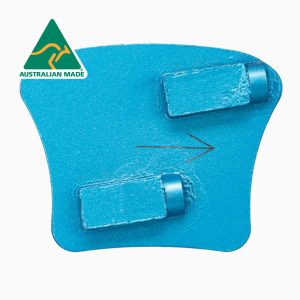
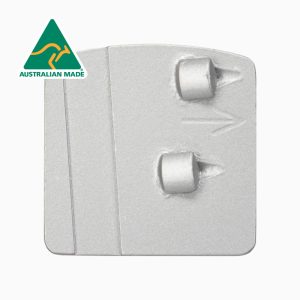
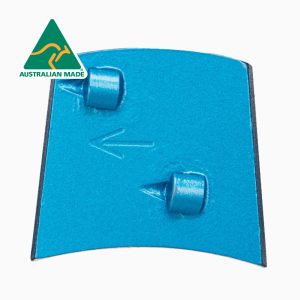
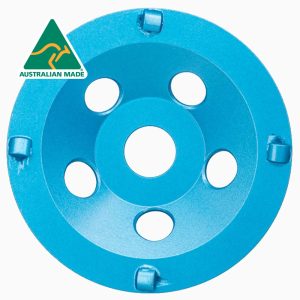
PCD tooling is designed for removal, not refinement. It performs best when the issue is what sits on top of the slab rather than the concrete itself. PCDs fracture and lift material away from the surface. That approach usually delivers faster removal and more consistent results, especially on soft or variable surfaces. When removal is the goal, starting with PCD reduces frustration and unnecessary wear.
When PCD Tooling Stops Working, the Job Has Changed
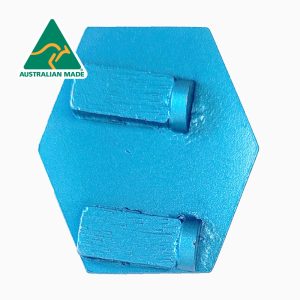
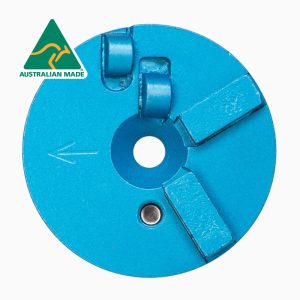
PCD tooling is not designed for hard, clean concrete. Once the coating is gone, stop using the PCD and swap to a metal bond tool. Metal bond diamonds grind the concrete itself. They flatten high spots, refine the surface profile, and prepare the slab for polishing or recoating.
Quick tip: A practical way to think about it is simple. PCD removes what should not be there. Metal bond tooling shapes what should remain.
Cooking Spray and PCD Tooling
Some operators use a light cooking spray on PCD tooling when working through very soft or gummy adhesives. In those situations, it can help limit short-term build-up and keep removal moving at the start of the job. It is not a universal fix and does not improve cutting performance. When we recommend it, the goal is simply to reduce initial loading on sticky materials